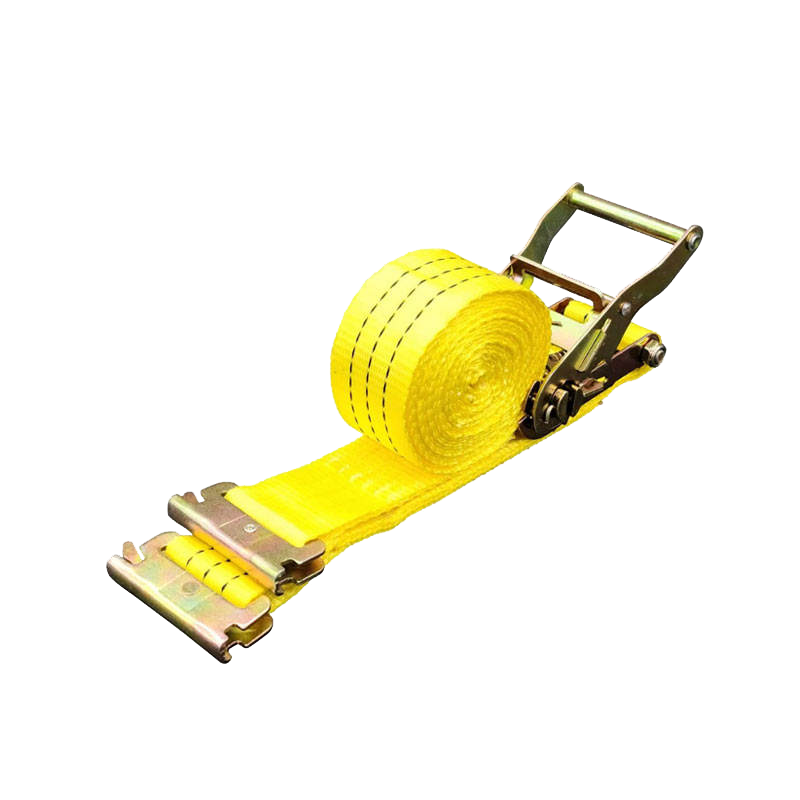
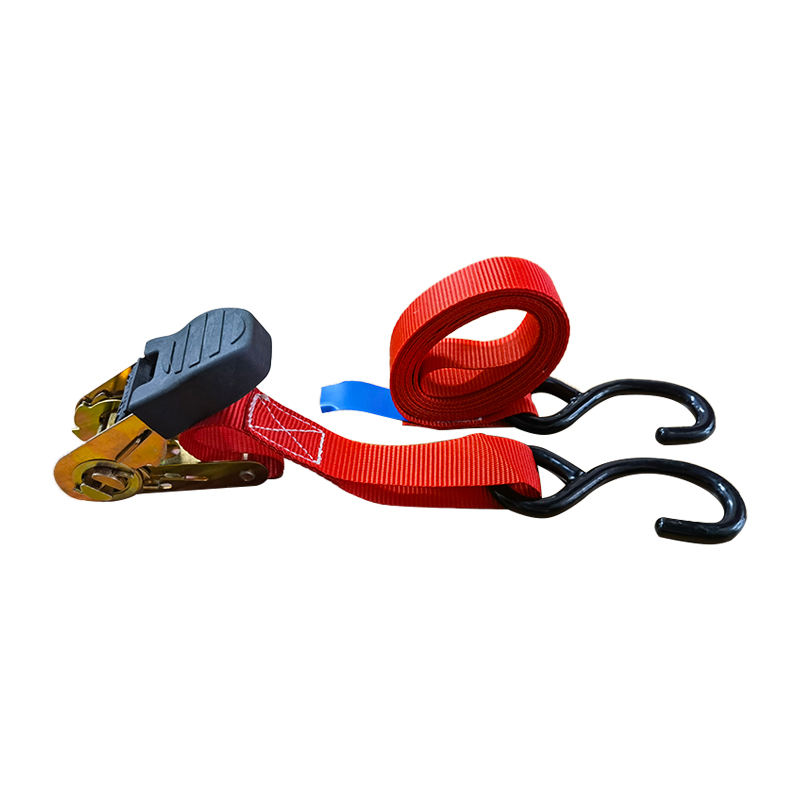
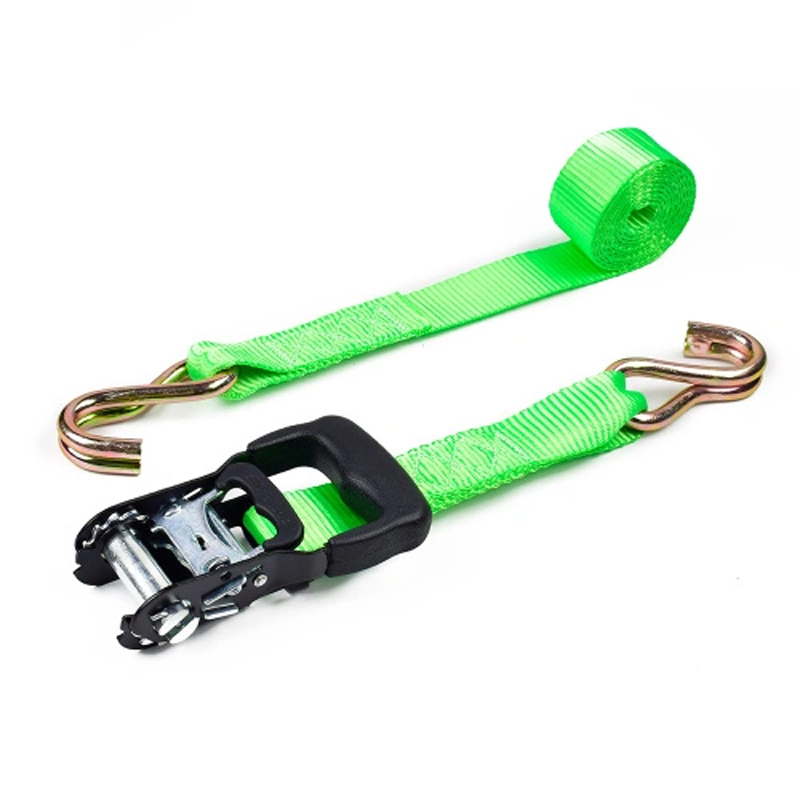
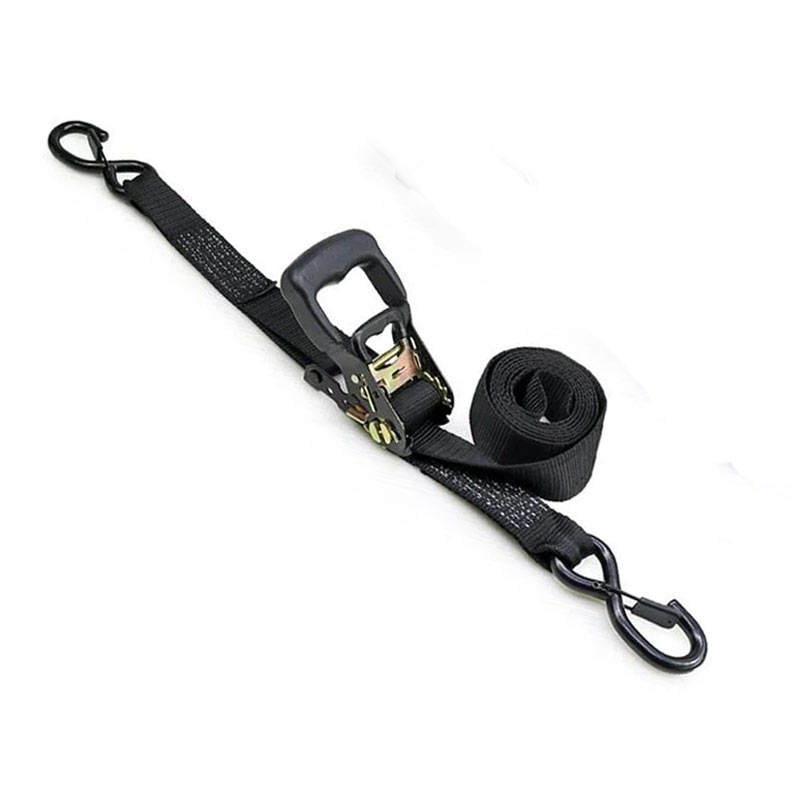
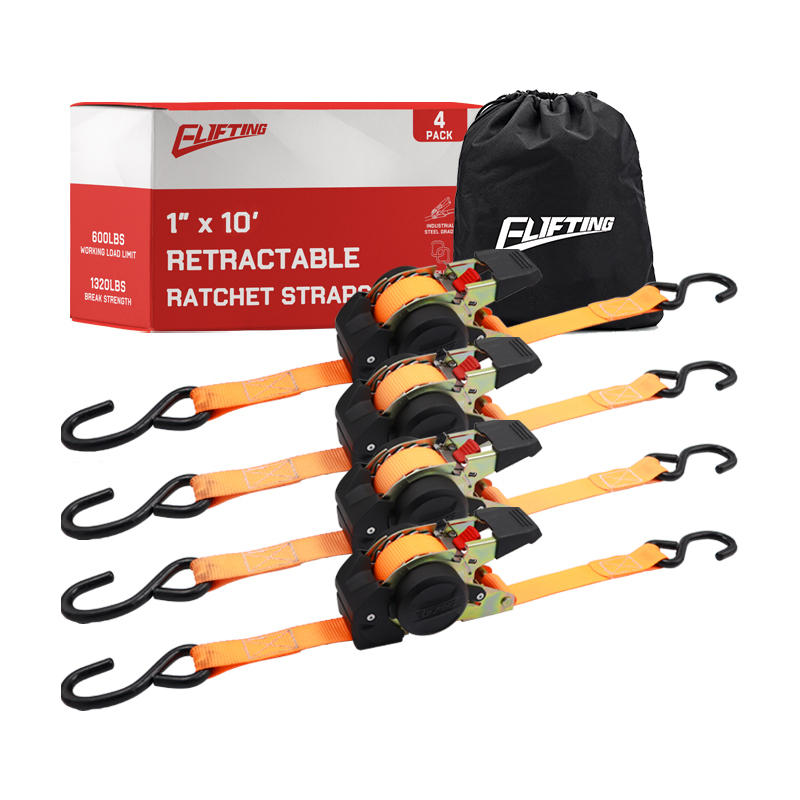
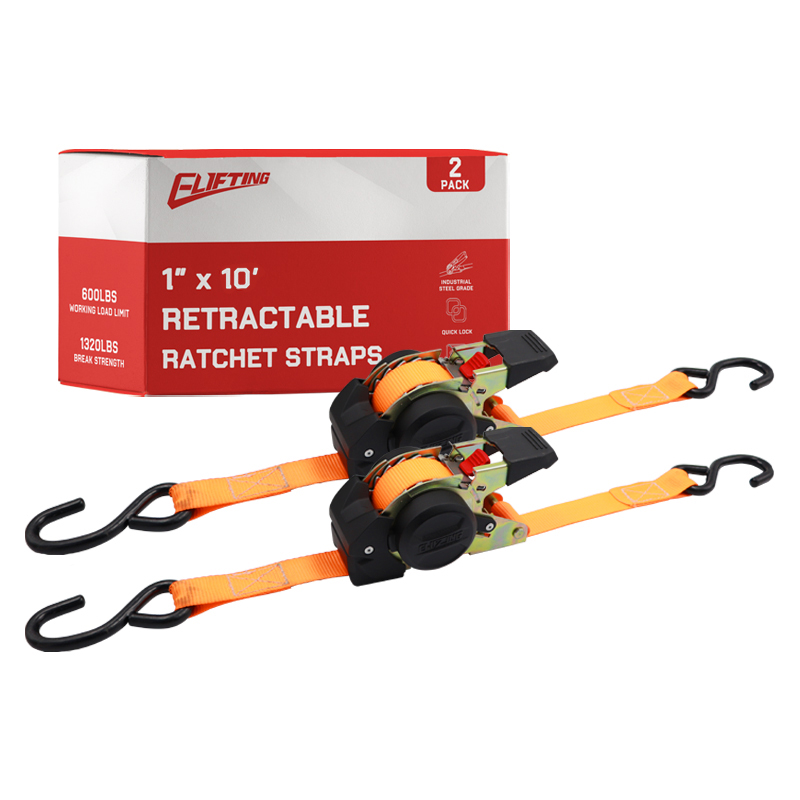
Å tre og bruke en skrallestropp riktig tar mindre enn to minutter når du kjenner trinnene. Før båndet opp gjennom dorsporet fra undersiden, trekk det stramt for hånd, og pump deretter skrallehåndtaket til lasten er godt festet uten bevegelse. Gjøres det feil, løsner stroppen enten under transport eller genererer nok kraft til å skade lasten. Denne veiledningen går gjennom hvert trinn – fra å identifisere stroppkomponenter til å frigjøre mekanismen på en sikker måte – slik at du kan sikre enhver last med selvtillit.
Deler av en skrallefeste du må gjenkjenne først
Før du skriver noe, hjelper det å nevne hva du ser på. En standard skrallefeste fast har fem hovedkomponenter:
- Skrallekropp: Metallrammen som huser sperrehaken, utløserspaken og spindelen (den roterende spolen). Dette er det mekaniske hjertet av stroppen.
- Dorn: Den slissede akselen inne i skrallekroppen. Båndet tres gjennom sporet i doren for å skape spenning når håndtaket pumpes.
- Skrallehåndtak: Den lange spaken pumper du opp og ned. Hvert slag roterer doren, tar opp slakk i båndet og øker spenningen på lasten.
- Frigjøringsspak (eller utløserpal): En flat flik eller spak - vanligvis plassert på baksiden eller siden av skrallekroppen - som kobler ut sperrehaken for å la stroppen løsne.
- Webbing og kroker: Polyesternettet bærer selve lasten. Kroker (J-krok, flatkrok eller karabinkrok) i hver ende av stroppen festes til forankringspunkter på kjøretøyet eller tilhengeren.
Å kjenne disse navnene er viktige fordi gjengefeil nesten alltid skjer ved doren. Å forstå hvilken retning sporet vender og hvilken vei båndet strømmer gjennom eliminerer den vanligste oppsettsfeilen.
Hvordan tre en skrallestropp trinn for trinn
Å tre båndet riktig er den viktigste ferdigheten når du bruker en skrallefeste. En feilgjenget stropp holder ikke spenningen under belastning og kan skli helt fritt under transport.
Trinn 1 — Åpne skralleen helt
Trekk i utløserspaken og åpne skrallehuset flatt. Spindelsporet skal nå være synlig og justert horisontalt, noe som gjør det enkelt å mate båndet gjennom. Hvis skrallen ikke er helt åpen, er sporet delvis blokkert og gjengingen blir vanskelig.
Trinn 2 — Før netten gjennom spindelen
Hold den frie enden av båndet (enden uten krok, eller den kortere bakenden) og sett den inn oppover gjennom dorsporet fra undersiden . Trekk 10–15 cm bånd gjennom så den har et godt grep. Båndet skal ligge flatt - hvis det er vridd på dette stadiet, fjern det og rett det ut før du fortsetter. En vridd stropp reduserer effektiv bruddstyrke og forårsaker ujevn slitasje.
Trinn 3 — Fest begge krokene til forankringspunktene
Fest kroken med fast ende (kroken på skrallekroppssiden) til det første forankringspunktet. Fest den frie endekroken til det andre forankringspunktet. Begge krokene skal være helt på plass - krokporten eller keeperen må være lukket, og kroken skal ikke kunne rygge av ankeret under belastning. Bruk kun klassifiserte ankerpunkter: D-ringer til tilhenger, E-sporbeslag eller festeløkker for kjøretøy som er vurdert til å matche stroppens arbeidsbelastningsgrense (WLL).
Trinn 4 — Ta opp slakk for hånd
Før du pumper skrallen, trekk den frie endebåndet for hånd for å fjerne så mye slakk som mulig. Jo mindre slakk som kommer inn i skrallesystemet, desto færre pumpeslag kreves, og jo jevnere fordeler spenningen seg over lasten. Dette trinnet er lett å hoppe over og lett å angre - en stor mengde gjenværende slakk gjør det vanskeligere å oppnå tilstrekkelig spenning.
Trinn 5 — Pump skrallehåndtaket
Lukk skrallekroppen og pump håndtaket med faste, jevne slag. Hvert fullt slag roterer doren omtrent 15–20 grader, og tar opp en tilsvarende lengde av bånd. Fortsett å pumpe til båndet er stramt og lasten ikke viser noen merkbar bevegelse når den skyves for hånd. For de fleste generelle lastapplikasjoner krever dette 8–15 pumpeslag avhengig av hvor mye slakk som ble fjernet i trinn 4.
Trinn 6 — Lukk og lås skralle
Trykk skrallehåndtaket helt ned til det klikker flatt mot skrallekroppen. Dette låser sperrehaken på plass og hindrer doren i å reversere under belastning. Skyv eventuell overflødig båndhale vekk fra bevegelige deler eller veibanen – løs bånd som kommer i kontakt med dekk eller veien er en sikkerhetsrisiko.
Tabell 1: Vanlige trådfeil og deres konsekvenser | Feil | Hva skjer | Hvordan fikse det |
| Webbing matet ned gjennom sporet | Stroppen mates bakover; håndtere pumper løst uten å ta opp slakk | Fjern og tre på nytt fra undersiden, oppover gjennom sporet |
| Vridde bånd i doren | Ujevn spenning, lokaliserte stresspunkter, redusert effektiv WLL | Fjern båndet helt, rett ut, tre flatt på nytt |
| Kroken sitter ikke helt på ankeret | Kroken kan løsne under vibrasjon eller sidebelastning under transport | Fest kroken igjen; sørg for at porten er lukket og kroken kontakter ankerskinnen helt |
| Skralle ikke helt lukket etter spenning | Paw-engasjement er delvis; stroppen kan gradvis løsne under transport | Trykk godt på håndtaket til et hørbart klikk bekrefter full låsing |
| Overflødig båndhale løs | Etterhengende bånd kontakter vei, dekk eller tilstøtende last | Brett og stikk halen; sikres med borrelås eller glidelås |
Hvordan frigjøre en skrallestropp på en sikker måte
Å frigjøre en skrallestropp under høy spenning krever en bestemt sekvens. Forsøk på å tvinge utløserspaken mens stroppen er i maksimal spenning kan føre til at håndtaket plutselig klikker tilbake - en vanlig årsak til hånd- og håndleddsskader.
- Løft skrallehåndtaket litt for å fjerne mikrospenningen fra sperren.
- Mens du holder håndtaket litt hevet, trykk eller trekk utløserspaken helt åpen. Du vil føle at haken løsner.
- Senk håndtaket sakte - det vil nå rotere fritt i begge retninger. La doren rulle gradvis ut; ikke la håndtaket åpnes fritt under høy spenning.
- Når stroppen er slakk, trekk båndet løs fra dorsporet og hekt av begge krokene fra forankringspunktene.
Hvis utløserspaken føles stiv eller ikke vil bevege seg, må du ikke tvinge den. En stiv spak indikerer vanligvis at palen er under belastning. Løsne spenningen ved å løfte håndtaket litt før du forsøker å løsne igjen. Klipp aldri en strammet skrallestropp — den plutselige energifrigjøringen kan forårsake alvorlig skade.
Velge riktig skrallefeste for jobben
Gjengeteknikk har bare betydning hvis selve stroppen er vurdert for belastningen. Å velge riktig stroppstørrelse før du trer noe er et kritisk sikkerhetstrinn som ofte blir oversett.
Arbeidsbelastningsgrense (WLL) og bruddstyrke
Hver skrallefeste fast har to vurderinger: Working Load Limit (WLL) og Break Strength. WLL er den maksimale kraften stroppen er designet for å håndtere ved vanlig bruk - vanligvis en tredjedel av bruddstyrken. Velg aldri en stropp basert på Break Strength alene ; WLL er operasjonsgrensen. For en last på 500 kg, bruk stropper med en kombinert WLL på minst 500 kg – noe som betyr to stropper hver klassifisert til 250 kg WLL minimum, eller en stropp til 500 kg WLL.
Stroppbredde og påføringstype
Webbingbredden bestemmer direkte lastekapasitet og applikasjonsegnethet. Tabellen nedenfor oppsummerer standard breddealternativer og deres primære brukstilfeller:
Tabell 2: Veiledning for valg av skrallestroppbredde etter applikasjon | Stroppbredde | Typisk WLL-område | Vanlige applikasjoner |
| 1 tomme (25 mm) | 200–500 kg | Motorsykler, sykler, småutstyr, ATV |
| 1,5 tommer (38 mm) | 500–1 000 kg | Åkneklippere, små kjøretøy, kommersiell gods |
| 2 tommer (50 mm) | 1 000–2 500 kg | Biler, lastebiler, anleggsmaskiner, tunge paller |
Krok Type Matching
Krokvalg må samsvare med ankerutstyret både ved lasten og kjøretøyenden. De tre vanligste kroktypene på skrallefeste fasts er:
- J-krok: Det mest allsidige alternativet for generell bruk. Skyves inn i tilhengerens D-ringer, stakelommespor og sveiseringer.
- Flat krok: Designet spesielt for E-spor skinnesystemer. Den flate profilen griper inn i sporet på E-sporet og gir et sikkert, lavprofils koblingspunkt for varebilens lastkontroll.
- S-krok: Hurtigfeste for åpne ankerskinner og ringer. Mindre sikker enn en J-krok under sidebelastning; best egnet for lettere bruksområder der det er behov for raske stroppskift.
Hvor mange skrallestropper trenger du?
Å bruke én stropp når fire er nødvendig er en av de vanligste feilene ved lastsikring. Antall stropper som trengs avhenger av lastvekt, lastdimensjoner og gjeldende transportforskrifter i din jurisdiksjon.
En praktisk generell regel: bruk minimum fire skrallefester for all last som opptar hele bredden av et tilhengerdekk , ved å plassere to stropper på den fremre delen av lasten og to bak. For individuelle gjenstander som motorsykler eller lite utstyr, to stropper plassert diagonalt (en forover-venstre til bak-høyre, en forover-høyre til bak-venstre) skaper et stabilt, antirotasjonsbegrensningsmønster som hindrer både for-bakover og sideveis bevegelse.
I Nord-Amerika krever FMCSA-forskrifter (49 CFR Part 393) at den samlede WLL-en til alle festeanordninger må være minst halvparten av lasten. For en last på 2000 kg må den kombinerte WLL for alle stropper i bruk være minst 1000 kg. Å oppfylle dette minimumet med to 2-tommers stropper vurdert til 500 kg WLL hver er teknisk kompatibel – men de fleste profesjonelle operatører bruker et 1:1-forhold (total WLL er lik lastvekt) som en praktisk sikkerhetsmargin.
Beskyttelse av last og nett under bruk
Skrallestropper kan skade både lasten de sikrer og seg selv hvis de brukes uten passende beskyttelsestiltak. Skarpe lastekanter kuttet båndfibre; høy forspenning over myke overflater (motorsykkeltanker, møbler, malte paneler) kan etterlate trykkmerker eller bulker.
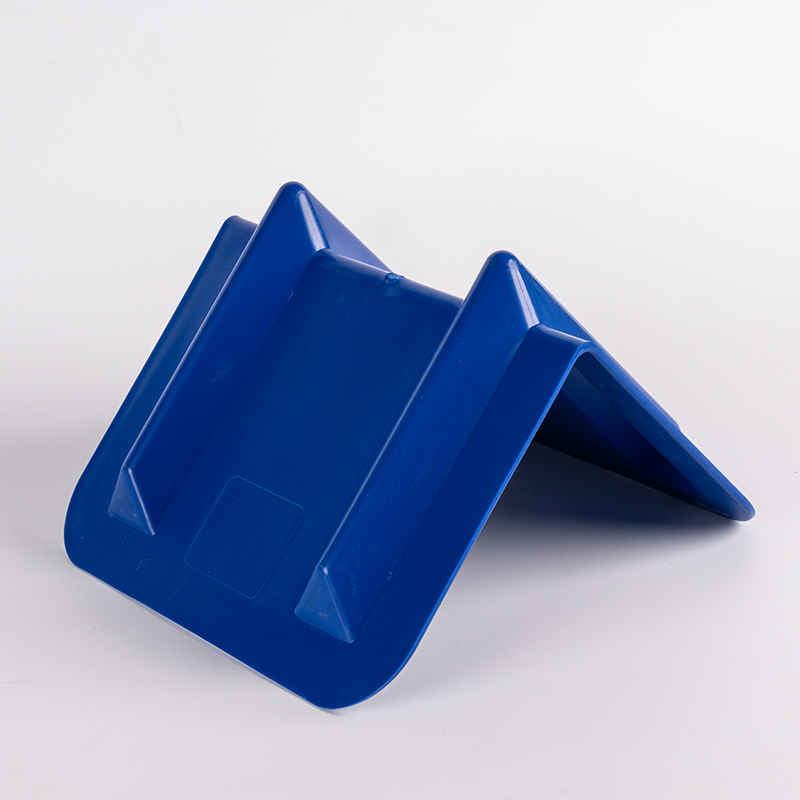
Bruk hjørnebeskyttere på skarpe kanter
Plasser hjørnebeskyttere av plast eller gummi på hvert punkt der båndet bøyer seg over en hard kant. En båndstropp som går over et ubeskyttet stålhjørne ved 45 grader under 500 kg strekk, er utsatt for betydelig lokal slitasje. Hjørnebeskyttere fordeler denne kontakten over en større radius, reduserer spenningskonsentrasjonen og forhindrer både båndskade og skade på lastoverflaten.
Unngå overstramming på myk eller hul last
Skrallestropper er i stand til å generere svært høye klemkrefter - tilstrekkelig til å deformere myk emballasje, knuse hule beholdere eller belaste strukturelle rammer på kjøretøy. For skjør eller deformerbar last, stram til lasten er ubevegelig, ikke før båndet har maksimal spenning. En god felttest: skyv lasten for hånd etter stramming. Hvis den ikke beveger seg, er stroppen tilstrekkelig strammet. Ytterligere spenning utover dette gir ingen sikkerhetsfordeler og risikerer lastskade.
Sjekk spenningen etter de første 30 minuttene av reisen
Skrallestropper mister vanligvis en liten mengde forspenning etter den første reiseperioden ettersom båndet legger seg under belastning og lasten skifter til sin endelige hvileposisjon. Stopp og sjekk stroppens spenning etter de første 30 minuttene eller 50 km av en ny last, og stram eventuelt stroppen som viser synlig slakk igjen. For langdistansetransport, inspiser spenningen på nytt ved hvert drivstoffstopp eller hvilepause.
Oppbevaring av skrallestropper for å bevare levetiden deres
En skrallefeste som oppbevares riktig vil levere pålitelig ytelse for flere års regelmessig bruk. Dårlig lagring er en av de viktigste årsakene til for tidlig nedbrytning av stroppen, sammen med UV-eksponering og fysisk skade.
- Oppbevares unna UV-lys: Polyesterbånd brytes ned målbart under kontinuerlig eksponering for sollys. Oppbevar stropper i en pose, boks eller et lukket rom når de ikke er i bruk. Ikke la dem ligge løst i en åpen lastebil mellom jobbene.
- Hold stroppene tørre: Mens polyester absorberer svært lite fuktighet sammenlignet med nylon, fremmer langvarig fuktig oppbevaring muggvekst på webbingoverflaten og korrosjon på skrallebeslag. La stropper lufttørke før lagring hvis de har vært brukt under våte forhold.
- Spolebånd uten knekk: Rull eller brett båndet løst før oppbevaring. Skarp, gjentatt kinking på samme punkt skaper permanent fiberdeformasjon som svekker stroppen på det stedet over tid.
- Smør sperremekanismen årlig: En lett påføring av silikonspray eller tørt PTFE-smøremiddel på sperrehaken, fjæren og dorakselen sørger for at mekanismen fungerer jevnt og forhindrer korrosjon. Unngå oljebaserte smøremidler som kan tiltrekke seg grus og tette mekanismen.
- Inspiser før lagring så vel som før bruk: Den beste tiden å merke skade er umiddelbart etter bruk, når årsaken til skaden er fersk i minnet. Merk enhver rem som viser slitasje for nærmere inspeksjon før neste bruk.
Ofte stilte spørsmål om tråding og bruk av skrallestropper
Hvilken retning mater båndet gjennom doren?
Før båndet opp gjennom dorsporet fra undersiden. Når sperrehåndtaket pumpes, roterer doren for å vikle båndet på spolen og øke spenningen. Mating fra toppen og nedover fører til at doren vikles av i stedet for å strammes når håndtaket pumpes.
Kan jeg bruke en skrallestropp uten at båndet er tredd gjennom doren?
Nei. Båndet må tres gjennom dorsporet for å skape spenning. Uten gjenger har skrallemekanismen ingenting å vikle og stroppen gir ingen lastholdende kraft. Krokene alene kan ikke sikre en last trygt.
Hvor stram skal jeg gjøre skrallestroppen?
Stram til til lasten er helt ubevegelig når den skyves hardt for hånd. Seilbåndet skal være stramt uten synlig synking mellom kroken og skrallekroppen. Unngå stramming med maksimal kraft på myk eller deformerbar last – stopp når lasten er ubevegelig, ikke når stroppen er så stram som den vil.
Hvorfor glir skrallestroppen min og mister spenningen under transport?
Den vanligste årsaken er en ufullstendig lukket skralle - håndtaket ble ikke presset flatt før sperren gikk helt inn. Den nest vanligste årsaken er utilstrekkelig bånd som er tredd gjennom dorsporet, slik at båndet trekker seg løs under belastning. Kontroller at minst 10 cm bånd strekker seg gjennom dorsporet, og sørg for at håndtaket klikker helt flatt når det er lukket.
Er det trygt å gjenbruke en skrallefeste etter at den har vært på maksimal spenning?
Stropper som brukes innenfor deres klassifiserte WLL kan generelt gjenbrukes. Enhver stropp som har blitt lastet til eller utenfor dens klassifiserte WLL, har synlige båndskade eller har en historie med sjokkbelastning (plutselige støtbelastninger under transport), bør trekkes tilbake. Når du er i tvil om en rems servicehistorikk, bytt den ut – prisen på en ny rem er langt lavere enn kostnaden for en lastfeil.